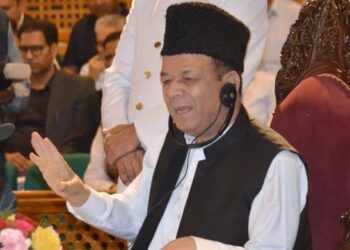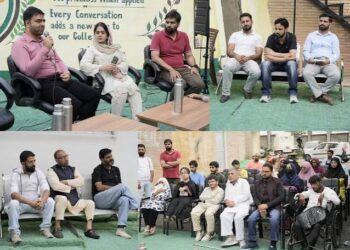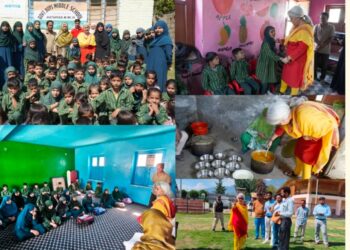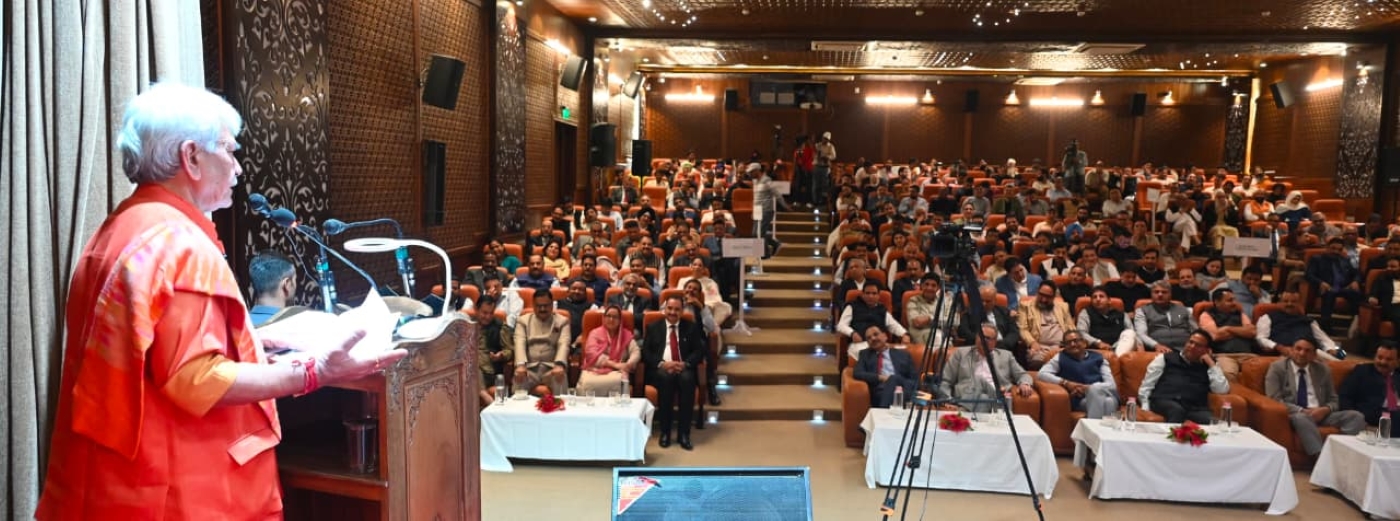
SRINAGAR, SEPTEMBER 22: The Lieutenant Governor, Shri Manoj Sinha today addressed the concluding session of the Millets Mission programme at Lok Bhavan, Srinagar. The event, organised in collaboration with Kheti Virasat Mission, brought together farmers, scientists, chefs, doctors, students and policymakers from across the country for a meaningful dialogue on the revival and promotion of millets.
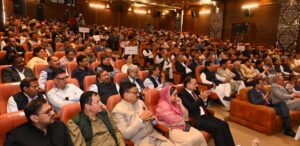
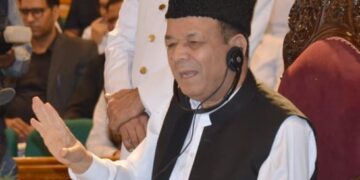
Dr Justice Pushpendra Singh Bhati, Chief Justice, High Court of Jammu Kashmir and Ladakh; Chief Minister Shri Omar Abdullah; Padma Shri Dr Khadar Veli, Millet and Independent Food Scientist; Shri Atal Dulloo, Chief Secretary; Shri Nalin Prabhat, DGP; Shri Umendra Dutt, Executive Director, Kheti Virasat Mission; Shri A Rambabu, Millet and Traditional Food Crusader; Judges of the High Court; Ministers; Members of Legislative Assembly; Padma Shri Awardees, Heads of various Educational institutions, social activists, civil society members, senior officials and prominent citizens in large number were present.
In his address, the Lieutenant Governor congratulated all the participating institutions for creating a platform that highlighted the nutritional, ecological and economic significance of millets. He emphasised that millets such as jowar, bajra, ragi, kodo, kangni and kutki have nourished human civilisation for centuries, and their reintroduction into daily diets is both a health imperative and a civilisational responsibility.
The Lieutenant Governor noted increasing soil degradation, water stress and loss of biodiversity in recent years. Millets, he said, offer an opportunity to correct this imbalance.
“Several research studies show that millets require minimal water, thrive on rain-fed lands, need little or no chemical inputs and they are highly nutritious, rich in fibre, iron, calcium and protein, with a low glycaemic index that helps combat lifestyle diseases such as diabetes,” he said.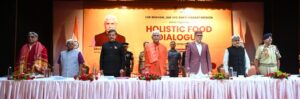
Highlighting the potential impact of millets in Jammu Kashmir, the Lieutenant Governor outlined three key benefits- addressing malnutrition, providing solutions to lifestyle-related diseases, and ensuring prosperity for marginal farmers. He called for the creation of a complete ecosystem- from seed diversity and farmer training to processing, value addition, chef training and millet-based cuisine campaigns, so that millets become a people’s movement.
“All stakeholders should focus on seeds and crop diversification so that we can revive the diversity of our rich agricultural heritage. Now, we must move beyond seminars to the field and the market. Initiatives such as processing, value addition, chef training, ‘from grain to plate’ programmes, and women’s home-based millet-cuisine campaigns must be transformed into a people’s movement, only then will we achieve success,” he said.
The Lieutenant Governor stressed that millets are climate-smart crops, offering resilience against increasing weather uncertainties and changing monsoon patterns. He underlined that a sustainable food system is essential for public health, workforce productivity and environmental conservation.
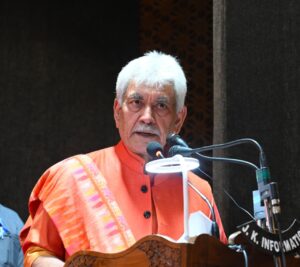
He also urged all stakeholders including officials, experts, and media to continuously promote millets as part of everyday life and language. He reiterated that farmers’ prosperity and nature’s conservation can go hand in hand, and that millets represent a pathway towards sustainable, inclusive and future-ready agriculture in Jammu Kashmir.
Following the event, a millet-based dinner was served, showcasing the diversity, taste and health benefits of these traditional grains.