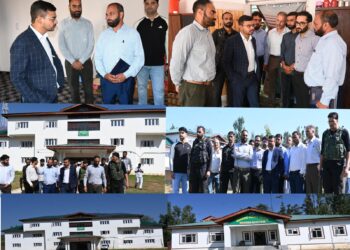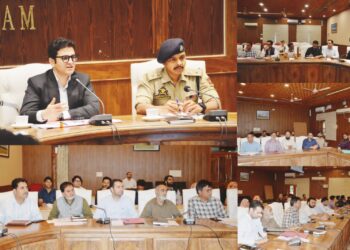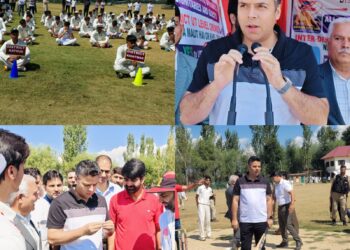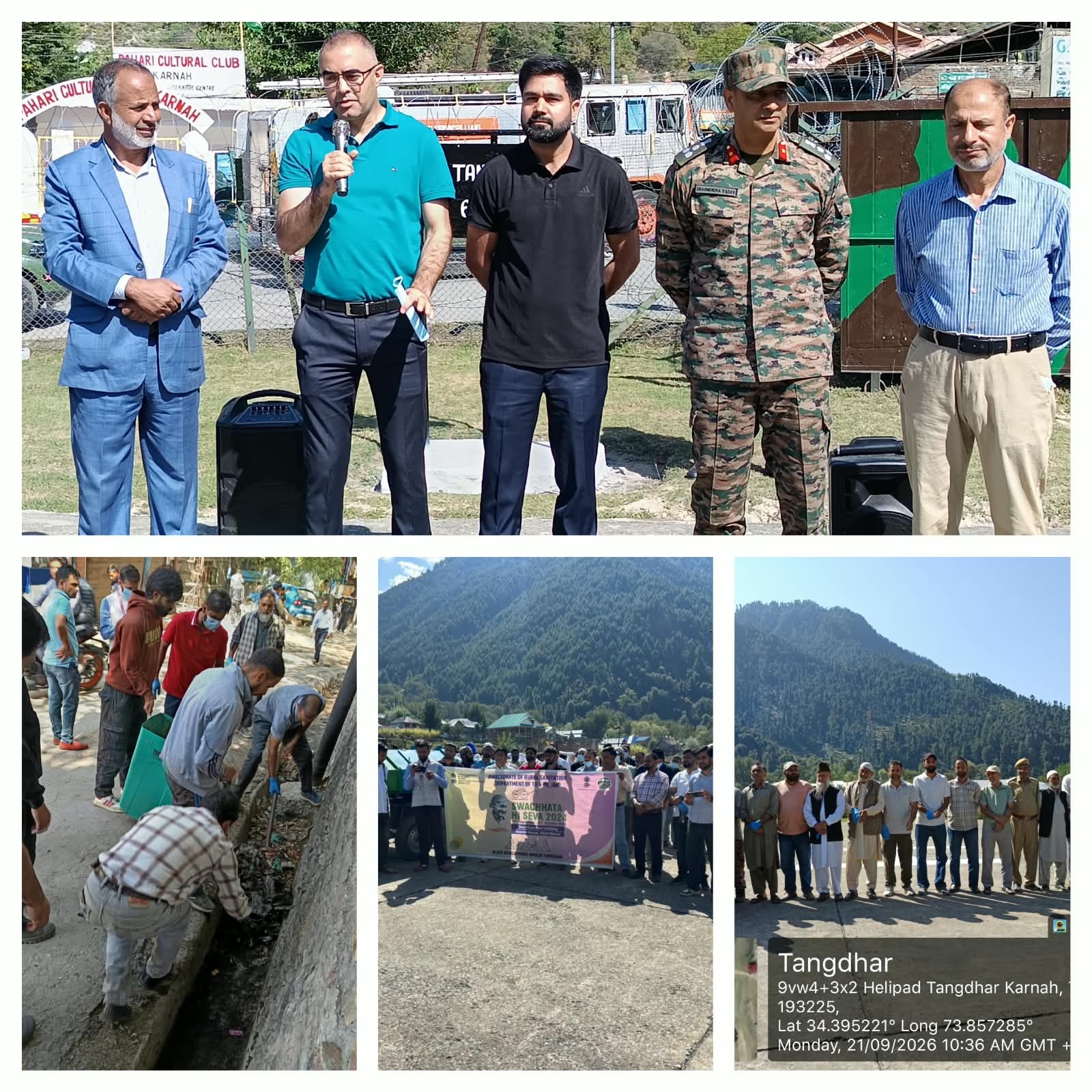
KUPWARA, SEPTEMBER 21: In a major community-driven initiative towards improving sanitation and promoting responsible waste management, the Civil Administration Karnah, in collaboration with the Indian Army, conducted a Mega Cleanliness Drive in Tangdhar town today, bringing together government departments, local institutions and community stakeholders.
The drive witnessed active participation from Beopar Mandal Karnah, ex-servicemen, students, government officials, Numberdars, Chowkidars, former PRI members and other stakeholders, reflecting a collective commitment towards a cleaner and healthier Karnah.
The Commander, 104 Infantry Brigade; SDM Karnah; Tehsildar Karnah; and BDO Tangdhar/Teethwal along with officers and officials of various departments, remained present during the drive.
Alongside the Mega Cleanliness Drive, the Rural Development Department (RDD) formally launched a door-to-door (D2D) waste collection campaign in Tangdhar, with active participation and support of Beopar Mandal and other stakeholders.
A major emphasis of the campaign was placed on four-stream segregation of waste at source. Residents, shopkeepers and commercial establishments were sensitised to segregate waste at the point of generation and hand it over in segregated form to the designated door-to-door collection vehicles.
The Administration also called for zero open dumping and stressed that waste should not be discarded along roadsides, in drains, water channels or other public spaces.
Shopkeepers and commercial establishments were directed to maintain appropriate dustbins within and around their premises and ensure proper disposal through the designated collection system.
It was further conveyed that sanitation and waste-management norms would be enforced and violations, including open dumping and improper disposal of waste, would invite action under the applicable provisions wherever warranted.
The Administration underlined that sustainable cleanliness cannot be achieved through periodic drives alone and requires segregation at source, systematic collection and sustained community ownership.
Citizens, traders and institutions were urged to make these practices part of their daily routine and collectively contribute towards a cleaner, healthier and more responsible Karnah.