SHAH AMIR
Sufism, the mystical dimension of Islam, has been an integral part of Kashmiri society for centuries. It is a spiritual tradition focused on the purification of the soul, the pursuit of divine love, and fostering a close connection with God. In Kashmir, Sufism transcends religious and cultural boundaries, creating a unique blend of spirituality and social cohesion that has profoundly influenced the region’s way of life.
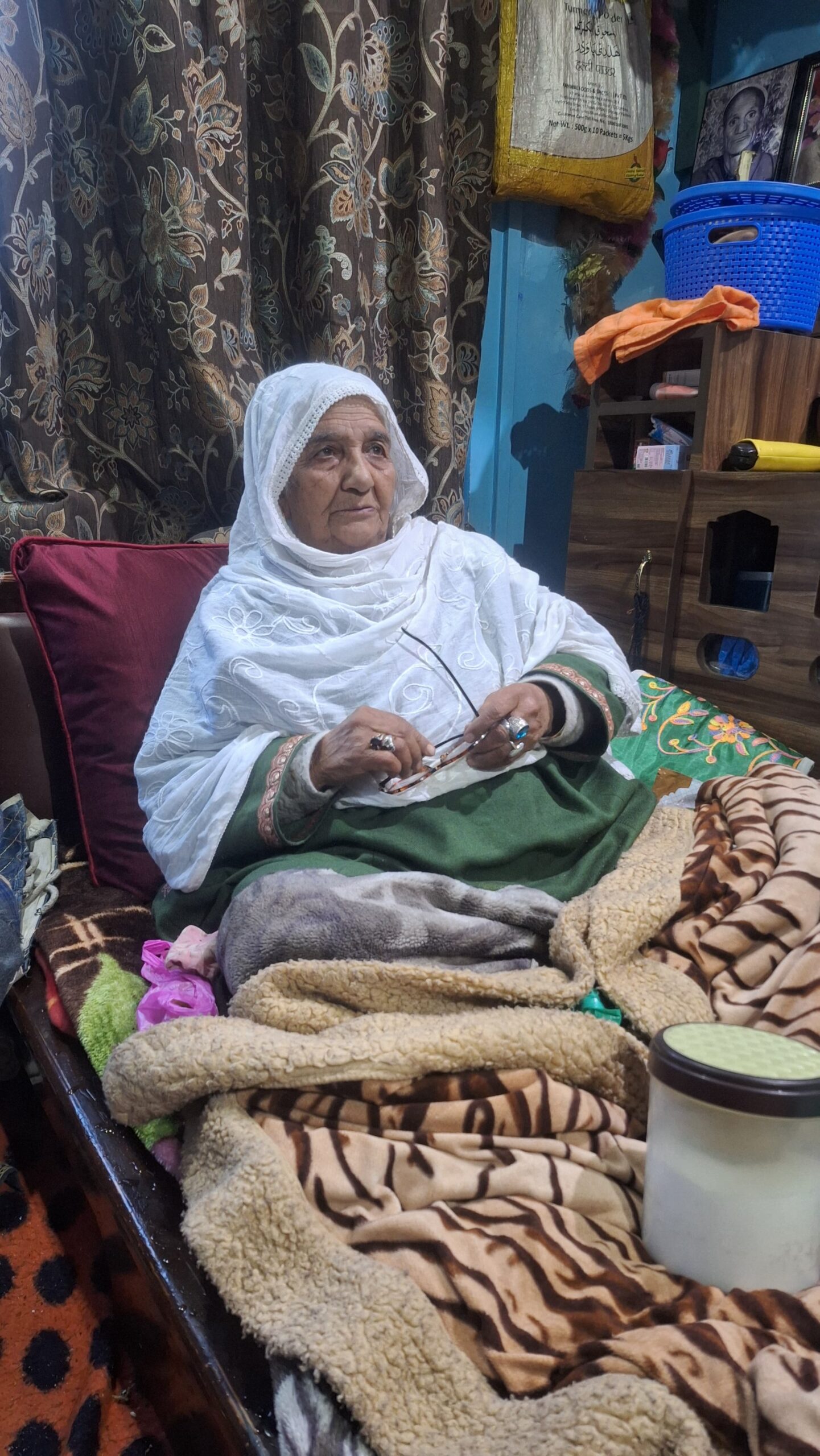
Amid this profound tradition, the presence of revered figures like Sarah Bano of Magam Budgam (Mazhuma) underscores the enduring relevance of Sufism in contemporary Kashmir. Her role as a female Sufi in guiding people toward spiritual and emotional healing highlights the timeless impact of this mystic tradition.
Sufism was introduced in Kashmir in the 14th century with the arrival of renowned mystics like Hazrat Bulbul Shah and later, Sheikh Noor-ud-din Wali (Nund Rishi). These spiritual luminaries preached the message of love, compassion, and unity, which resonated deeply with the local populace. Their teachings emphasized simplicity, selflessness, and a direct relationship with God, bypassing rigid orthodoxy and ritualism.
This spiritual approach flourished, blending seamlessly with Kashmir’s pre-Islamic traditions and giving rise to a unique syncretic culture. The Sufi shrines scattered across Kashmir, such as the revered Dargah of Hazratbal, the shrines of Baba Reshi, and the tomb of Sheikh Noor-ud-din Wali, remain enduring symbols of this heritage. These places serve as sanctuaries for people from all walks of life, offering solace and spiritual rejuvenation.
Historically, Sufism has often been inclusive, allowing women to participate and contribute to its spiritual practices. Kashmiri society, deeply rooted in Sufi principles, has also seen the influence of female mystics, though their contributions are often less documented than their male counterparts.
Female Sufis often play vital roles in their communities, providing guidance, comfort, and spiritual support. Through their wisdom and compassion, they become pillars of strength for those seeking divine connection and practical assistance in their lives. Sarah Bano, a contemporary female Sufi figure in Magam Budgam, exemplifies this role, becoming a source of inspiration and hope for many.
Sarah Bano of Mazhuma, a small hamlet in Magam Budgam, is a female Sufi whose influence has grown remarkably in recent years. Known for her gentle demeanor and spiritual insights, she has attracted a devoted following of people seeking solace and resolution to their problems.
What distinguishes Sarah Bano is her ability to connect with people of all ages, particularly youngsters and the elderly. Many approach her with grievances ranging from personal struggles to health concerns, and she offers spiritual remedies in the form of holy water, scents, and heartfelt prayers. This act of providing “tabarruk” (blessed items) is deeply rooted in Sufi traditions and reflects her commitment to serving humanity selflessly.
People’s faith in her stems not only from the tangible benefits they perceive but also from the peace and comfort they experience in her presence. Her humble abode in Mazhuma has become a spiritual haven, where the distressed find solace and the seekers find direction.
In an era marked by rapid change and increasing disconnection from traditional values, the spiritual teachings of Sufism resonate profoundly with Kashmir’s youth. Many young people, disillusioned by material pursuits and societal pressures, turn to figures like Sarah Bano for guidance and emotional healing.
Sarah Bano’s approach, characterized by warmth and empathy, bridges generational gaps and offers a sense of purpose and belonging to the youth. Her ability to address their grievances through simple yet profound acts of spiritual care underscores the timeless relevance of Sufism in addressing contemporary challenges.
The use of holy water and scents in Sufi practices is deeply symbolic. Water, a universal symbol of purification and life, is imbued with prayers and blessings before being distributed. Similarly, scents, often associated with tranquility and spiritual elevation, are used to create an atmosphere of peace and sanctity.
For Sarah Bano, these elements are not mere rituals but tangible expressions of her prayers for those who seek her help. The act of sharing these blessed items strengthens the bond between the spiritual guide and the seeker, fostering trust and a sense of divine presence in everyday life.
Sufism in Kashmir has always been a unifying force, transcending divisions of caste, creed, and gender. Figures like Sarah Bano embody this inclusivity, welcoming everyone regardless of their background. Her teachings and practices reinforce the Sufi ideals of love, humility, and service, creating a ripple effect of positivity and harmony in the community.
Her role also highlights the importance of preserving and nurturing traditional practices in a rapidly modernizing world. By staying true to the core principles of Sufism, Sarah Bano serves as a bridge between the past and the present, ensuring that the spiritual heritage of Kashmir remains vibrant and relevant.
Despite its deep roots, Sufism in Kashmir faces challenges in the form of modernity, political unrest, and the rise of rigid interpretations of religion. These factors threaten the inclusive and harmonious ethos that Sufism represents.
However, the resilience of Sufi traditions lies in the enduring faith of people like Sarah Bano, who continue to uphold its values in their daily lives. Her work serves as a reminder of the transformative power of spirituality and the need to preserve this heritage for future generations.
Muslim Sufism in Kashmir is not just a spiritual tradition but a way of life that embodies love, compassion, and service. Figures like Sarah Bano of Mazhuma exemplify the timeless relevance of this mystic path, providing solace and direction to those in need.
Her role as a female Sufi highlights the inclusive and egalitarian nature of Sufism, breaking barriers and inspiring people of all ages and backgrounds. In a world often marked by discord and uncertainty, Sarah Bano’s spiritual guidance offers a beacon of hope and a reminder of the enduring power of faith and humanity.
As Kashmir continues to evolve, the teachings of Sufism and the work of its spiritual guides will remain a vital force, preserving the region’s unique identity and fostering a culture of peace and unity.